



News Center
Hot Sell Wine Bottle Styles in 2026: Shapes, Colors, and Market Signals
Hot Sell wine bottle styles in 2026 are no longer driven by appearance alone. Shape, glass color, weight, and finish now signal brand value, shelf strategy, and operational discipline.
In the glass and ceramic materials sector, that shift matters because bottle selection increasingly affects cost control, production flexibility, and market responsiveness. A bottle style can influence perception before the cork is touched.
The current Hot Sell direction combines visual differentiation with practical sourcing logic. Buyers want bottles that support premium cues, but they also need formats that move smoothly through filling lines and supply networks.
Why 2026 bottle styles deserve closer attention
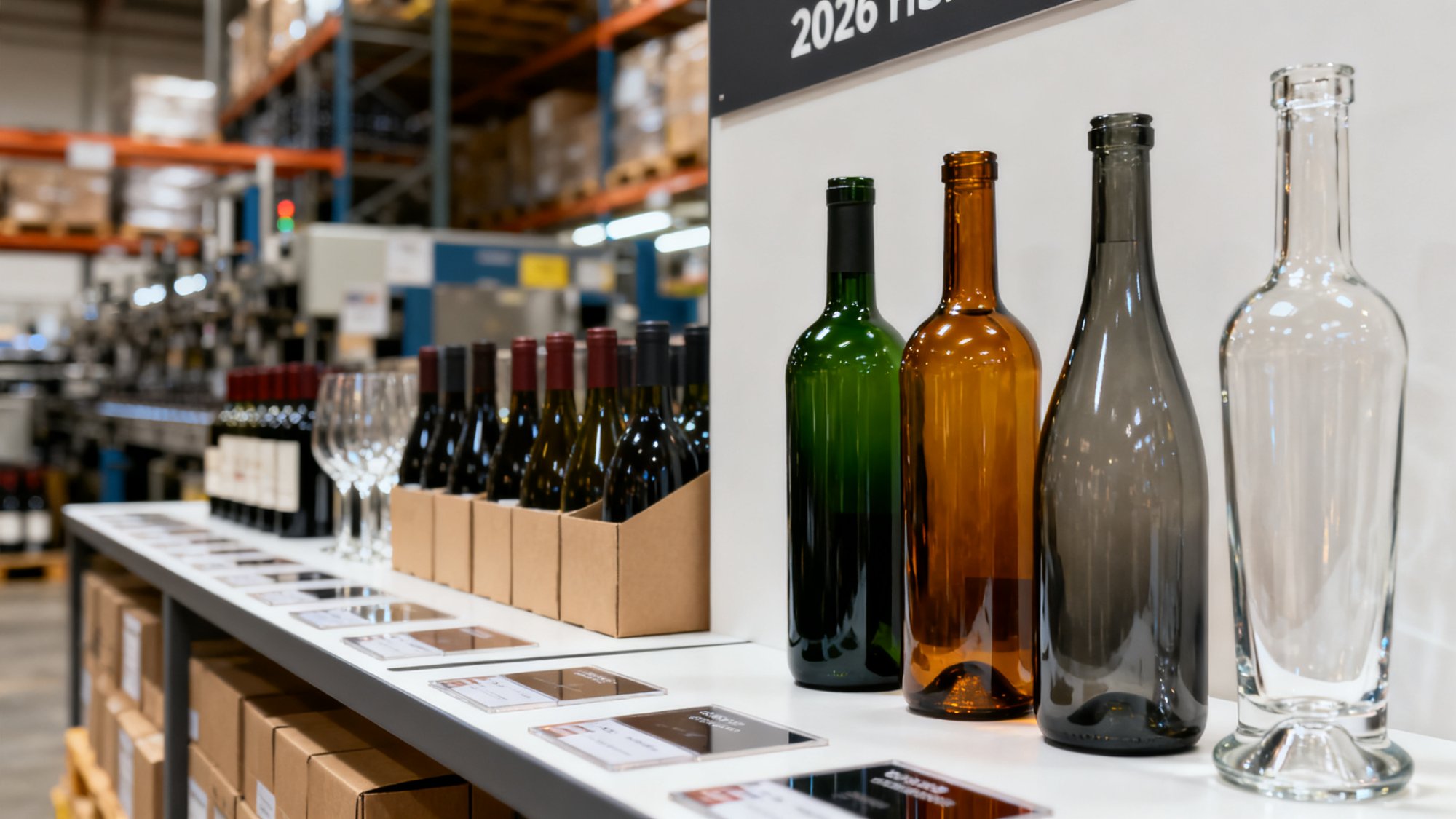
Wine packaging has entered a more selective phase. Producers are balancing branding pressure with margin discipline, and that makes Hot Sell bottle styles a strategic topic rather than a decorative one.
A bottle shape influences how a label is framed, how a product sits in cartons, and how it is recognized on shelves. Color adds another layer by shaping both preservation logic and visual expectation.
For suppliers of glass materials, the issue is not simply which style looks modern. The real question is which configurations show repeatable demand across premium, mid-range, and export-oriented programs.
The bottle shapes gaining Hot Sell momentum
Three shape families remain central in 2026, but demand patterns are shifting inside each category. Buyers are choosing within familiar forms, not abandoning them.
Bordeaux stays strong because it is efficient
Straight shoulders and a cylindrical profile make Bordeaux bottles easy to palletize, easy to label, and easy to standardize. That operational predictability keeps them in the Hot Sell category.
In 2026, the strongest movement is toward refined Bordeaux variants. Slightly taller silhouettes, cleaner neck transitions, and balanced base weight give a more premium feel without disrupting production lines.
Burgundy shapes support softer premium positioning
Rounded shoulders continue to perform well where the brand story emphasizes craftsmanship, terroir, or elegance. This is especially visible in red blends, Chardonnay programs, and boutique-style launches.
Burgundy bottles are often Hot Sell when paired with dark glass and understated decoration. The effect is less formal than heavy prestige packaging, but still clearly elevated.
Rhine and fluted forms win in selective segments
Slim, elongated bottles remain relevant for aromatic whites, rosé, and certain low-intervention collections. Their market is narrower, yet demand can be very stable when the visual language fits the wine style.
These shapes are Hot Sell in presentation-led categories, though they require closer planning around transport density and line compatibility.
Color is becoming a stronger market signal
Bottle color used to be treated mainly as a heritage choice. In 2026, it works as a commercial signal that links product style, light protection, and price perception.
Dark green and antique green remain reliable
These shades continue to lead in premium red and cellar-positioned wines. They convey seriousness, support UV protection, and align with established export market expectations.
For many programs, dark green is still the safest Hot Sell option because it travels well across traditional and modern branding systems.
Amber and smoked tones are gaining attention
Amber is moving beyond niche use. It is increasingly selected for natural wines, orange wines, and brands seeking a more tactile, material-forward identity.
Smoked gray and muted olive tones also show Hot Sell potential where visual differentiation matters, especially in restaurants, specialty retail, and design-sensitive private labels.
Flint still matters, but not everywhere
Clear glass remains effective for rosé, sparkling, and wines where color visibility supports purchase decisions. Still, flint is now chosen more carefully because light exposure and shelf life are under closer review.
That means flint is Hot Sell in targeted scenarios, not as a universal premium answer.
What buyers are reading from style choices
Bottle design sends layered signals. A heavier base may imply prestige, but too much weight can raise shipping costs and conflict with sustainability goals.
A minimalist bottle may suggest contemporary confidence, yet if it looks too light, it can weaken perceived value in some channels. Hot Sell styles succeed when these signals are calibrated rather than exaggerated.
That reading matters because packaging decisions are now reviewed through sales velocity, cross-market consistency, and logistics cost at the same time.
Material considerations behind Hot Sell demand
In glass packaging, style demand cannot be separated from material performance. Surface quality, color consistency, wall distribution, and finish precision all influence whether a bottle can scale commercially.
Ceramic-related expertise also enters the conversation through kiln knowledge, thermal behavior, and decorative compatibility. Even when the final pack is glass, material discipline shapes the result.
The most Hot Sell formats are often those that look distinctive but remain practical to manufacture repeatedly. That balance reduces rejection rates and improves planning confidence.
- Stable color batches help avoid shelf inconsistency across large orders.
- Moderate bottle weight supports premium feel without unnecessary freight burden.
- Reliable neck finish dimensions reduce closure and filling complications.
- Well-controlled glass distribution lowers breakage risk in transport.
Where the strongest commercial use cases are emerging
Not every Hot Sell style performs equally across channels. The same bottle may look compelling in a tasting room but inefficient in high-volume retail distribution.
Premium retail and hospitality
This channel favors visible distinction. Burgundy profiles, deeper punt structures, and nuanced glass colors tend to perform well where bottle presence influences table-side experience.
Private label and export programs
Here, the Hot Sell pattern is more conservative. Standardized Bordeaux bottles in dark green or antique green usually provide the best mix of familiarity, packing efficiency, and procurement flexibility.
Emerging niche categories
Natural wine, low-intervention labels, and design-led launches often drive faster experimentation. Amber, flint, and less conventional silhouettes can gain traction quickly if supply support is stable.
How to evaluate a bottle style before committing volume
A Hot Sell trend is useful only if it fits commercial reality. Visual appeal should be tested against operational and market criteria before large-scale rollout.
- Check whether the shape aligns with existing filling, labeling, and carton systems.
- Review how the chosen color performs under the intended shelf and storage conditions.
- Compare unit cost against freight impact, not unit price alone.
- Assess whether the style supports one launch or an expandable portfolio strategy.
- Confirm that the supplier can maintain finish accuracy and color repeatability at scale.
That approach turns a style decision into a business decision. It also helps separate temporary visual noise from genuine Hot Sell momentum.
A practical reading of the 2026 market
The 2026 wine bottle market is not moving toward one universal winner. It is moving toward smarter segmentation.
Hot Sell demand is strongest where bottle shape, color, and material logic reinforce each other. Familiar forms are being refined, not replaced. Distinctive colors are growing, but mainly where the brand and channel can support them.
The clearest next step is to map bottle choices against portfolio goals, channel requirements, and production constraints. That comparison usually reveals which styles are merely attractive and which are genuinely worth scaling.