



News Center
Is a Customized Bottle Worth It for Brand Differentiation and Margin
Is a Customized Bottle Worth It for Brand Differentiation and Margin?
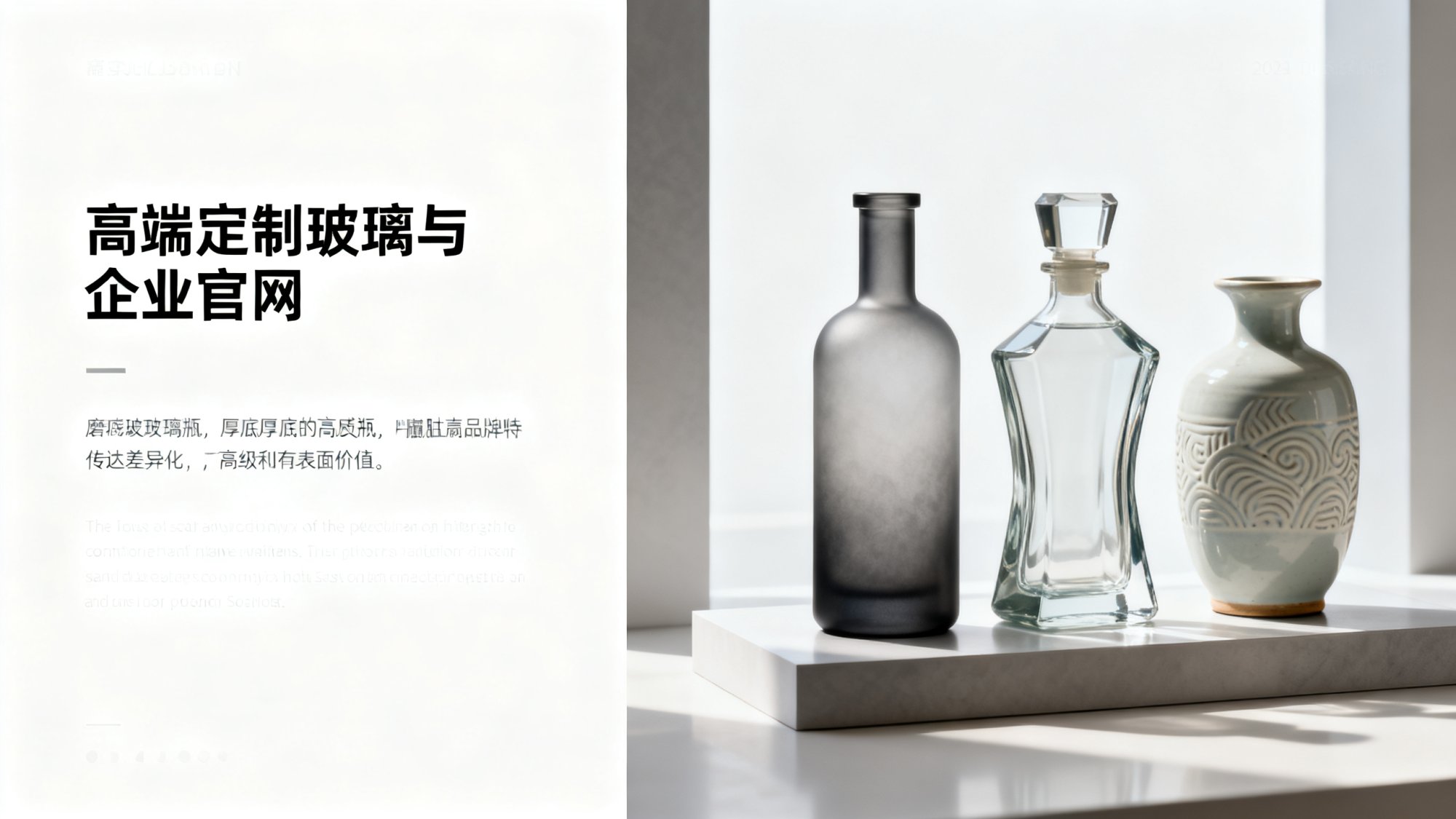
In crowded glass and ceramic markets, a Customized Bottle can do more than improve shelf appeal. It can sharpen brand identity, support premium pricing, and build stronger recall.
That matters more now because many products look similar at first glance. When packaging feels interchangeable, buyers compare on price, and margins start to shrink.
A Customized Bottle changes that conversation. It gives a brand a physical signature that customers can recognize quickly, even before reading the label.
The real question is not whether customization looks better. The practical question is whether it creates enough commercial value to justify added tooling, development, and sourcing complexity.
The answer depends on product category, channel strategy, target price, and production scale. In many cases, the right bottle design improves both differentiation and margin at the same time.
Why a Customized Bottle Influences Brand Perception
Packaging is often the first product experience. In glass and ceramic categories, shape, weight, texture, and finish all send signals before the product is used.
A Customized Bottle helps a brand control those signals. A taller silhouette may suggest elegance. A heavier base may suggest quality. A ceramic texture may suggest craft and authenticity.
These cues affect buying behavior in subtle but measurable ways. Shoppers often use packaging as a shortcut when comparing products they do not know well.
This is especially true in premium beverages, home fragrance, beauty, specialty food, and gift-oriented products. In these segments, packaging is not decoration. It is part of the value proposition.
A stock bottle can still work well. But it rarely creates a memory structure that belongs only to one brand. A Customized Bottle can.
What differentiation looks like in practice
- Distinctive shape that stands out on a shelf or product listing.
- Embossed or debossed branding that stays visible without relying on labels.
- Custom neck, closure, or shoulder details that make the product harder to imitate.
- Material and finish choices that match brand positioning, from glossy ceramic to frosted glass.
Each of these choices can reinforce a consistent market message. That consistency is often what separates memorable brands from replaceable ones.
How a Customized Bottle Supports Better Margins
Margin improvement usually comes from one of three paths. Higher selling price, stronger sell-through, or better customer retention. A Customized Bottle can support all three.
The most direct effect is premium pricing. When packaging looks proprietary and purposeful, customers are often more willing to accept a higher price point.
That premium does not need to be dramatic. Even a modest price lift can offset customization costs when volumes are healthy and repeat orders are stable.
The second effect is reduced price comparison. A standard bottle invites direct comparison with similar products. A Customized Bottle makes the offer feel more exclusive.
The third effect is stronger retention. Packaging that feels distinct can improve recognition on repeat purchase, whether the customer is shopping in stores or online.
Where the profit upside usually appears
- Premium product lines that need visual separation from entry-level items.
- Private label programs that want stronger retailer commitment.
- Giftable categories where packaging influences perceived value heavily.
- Brands entering crowded segments with limited advertising budgets.
In these situations, a Customized Bottle often acts like a silent salesperson. It does not replace product quality, but it makes quality easier to believe.
When Customization Delivers Real ROI
Not every product needs a fully customized format. The smartest decision starts with ROI, not aesthetics.
A Customized Bottle usually makes the strongest business case when the product has healthy gross margin potential and a clear brand story to express.
It also works better when the same package will stay in market long enough to spread tooling costs across meaningful volume.
Short lifecycle products are more difficult unless the custom element is limited to decoration, closure, or secondary features rather than a full mold.
Good signals before investing
- The product competes in a visually crowded category.
- The brand already commands some loyalty or premium acceptance.
- Forecast volumes can absorb mold or setup costs comfortably.
- The sales team needs a clearer story for channel buyers.
- The business wants to reduce direct price-based competition.
If several of these signals are present, a Customized Bottle is often more than a branding upgrade. It becomes a commercial tool.
Key Cost Factors to Review Before Choosing a Customized Bottle
Customization creates value, but it also introduces cost and operational variables. Strong decisions come from looking at the full landed economics, not just unit price.
In glass and ceramic sourcing, the biggest cost drivers often sit upstream in tooling, sampling, yield management, and minimum order quantities.
This is why a lower quoted bottle cost can be misleading. A slightly more expensive design may still win if it packs better, breaks less, or supports higher price realization.
A practical sourcing checklist
- Confirm mold ownership terms and reuse rights.
- Review tolerance, breakage, and finish consistency.
- Test filling, sealing, labeling, and pallet performance.
- Model landed cost with realistic freight assumptions.
- Check whether lead times fit launch schedules.
Risks That Can Undermine a Customized Bottle Strategy
A Customized Bottle can strengthen positioning, but poor execution can create the opposite effect. The most common problem is designing for appearance without designing for operations.
An unusual shape may look impressive in a presentation. It may also run poorly on filling lines, wobble in transit, or increase damage rates in distribution.
Another risk is over-customization. If every detail is unique, supplier flexibility can shrink, lead times can stretch, and replenishment risk can rise.
There is also a strategic risk. A highly customized package can lock a brand into one visual direction even if market positioning later changes.
How to reduce those risks
- Customize the features customers notice most first.
- Keep core dimensions compatible with production systems.
- Prototype early and test under real logistics conditions.
- Avoid decorative choices that add cost without clear value.
- Build a secondary supply plan when volumes matter.
In actual business terms, the best Customized Bottle is rarely the most complex one. It is the one that customers notice and operations can support reliably.
How to Decide Between Stock and Customized Bottle Options
For many brands, the right answer is not fully stock or fully custom. It is a staged approach.
A standard bottle with custom decoration can be a smart first step. It lowers risk while still creating visible differentiation.
Later, once sales volume is proven, the brand can move to a full Customized Bottle with proprietary shape or structural details.
This phased model often fits product launches, channel testing, or regional rollouts. It also gives sourcing teams more time to validate supply stability.
A simple decision framework
- Define the commercial goal, such as premium pricing or stronger shelf recognition.
- Estimate the expected sales lift or price lift.
- Compare that upside with tooling, MOQ, and logistics costs.
- Check operational fit across filling, storage, and transport.
- Choose the lowest-risk design that still changes buyer perception.
That last point is important. A Customized Bottle does not need to be dramatic to be effective. It needs to be recognizable, ownable, and economically sensible.
Final Take: Is a Customized Bottle Worth It?
In many glass and ceramic categories, yes, a Customized Bottle is worth it. But only when the design serves a clear business objective.
If the goal is stronger differentiation, premium positioning, and less direct price pressure, customization can create meaningful advantage.
If the goal is simply to look different without operational discipline, the return may disappear quickly.
The strongest decisions balance brand impact, margin logic, and supply reality. That is where a Customized Bottle becomes more than packaging.
It becomes a strategic asset that helps protect positioning, support pricing, and make the brand easier to remember.
Before moving forward, review category competition, expected volume, operational constraints, and price ambition together. That process usually makes the right bottle choice much clearer.